
Struggling with Sleep? How Neurofeedback in South Miami Treats Insomnia Naturally
Millions of Americans struggle with insomnia, whether it's difficulty falling asleep, waking up frequently during the night, or feeling exhausted despite spending hours in bed. Poor sleep doesn't just leave you feeling tired, it can affect your mood, memory, concentration, immune system, and overall quality of life.
While sleeping pills may provide temporary relief, they often fail to address the underlying cause of chronic sleep problems. As a result, more people are turning to neurofeedback for insomnia South Miami as a natural, drug-free approach to improving sleep.
At Lumina Brain Center, neurofeedback is designed to help regulate brain activity, promoting healthier sleep patterns without medication. If you've been searching for a long-term solution to insomnia, understanding how neurofeedback works may help you decide whether it's right for you.
Understanding Insomnia:
Insomnia is one of the most common sleep disorders, affecting people of all ages. Some individuals have trouble falling asleep, while others wake repeatedly throughout the night or awaken too early and struggle to fall back asleep.
Common symptoms include:
Difficulty falling asleep
Frequent nighttime awakenings
Waking too early
Feeling tired despite spending enough time in bed
Daytime fatigue
Difficulty concentrating
Irritability and mood changes
Insomnia may be caused by stress, anxiety, depression, chronic pain, lifestyle habits, or neurological imbalances. In many cases, several factors contribute to ongoing sleep difficulties.
How Brain Activity Affects Sleep:
Healthy sleep depends on balanced brainwave activity. Throughout the day, your brain produces different brainwaves that influence focus, relaxation, and sleep.
For many people with insomnia, the brain remains overly active when it should be slowing down for rest. Racing thoughts, heightened alertness, and difficulty relaxing often prevent the brain from transitioning into healthy sleep cycles.
This is where neurofeedback for insomnia South Miami offers a different approach. Rather than masking symptoms, neurofeedback helps train the brain to develop healthier patterns of activity that support natural sleep.
What Is Neurofeedback?
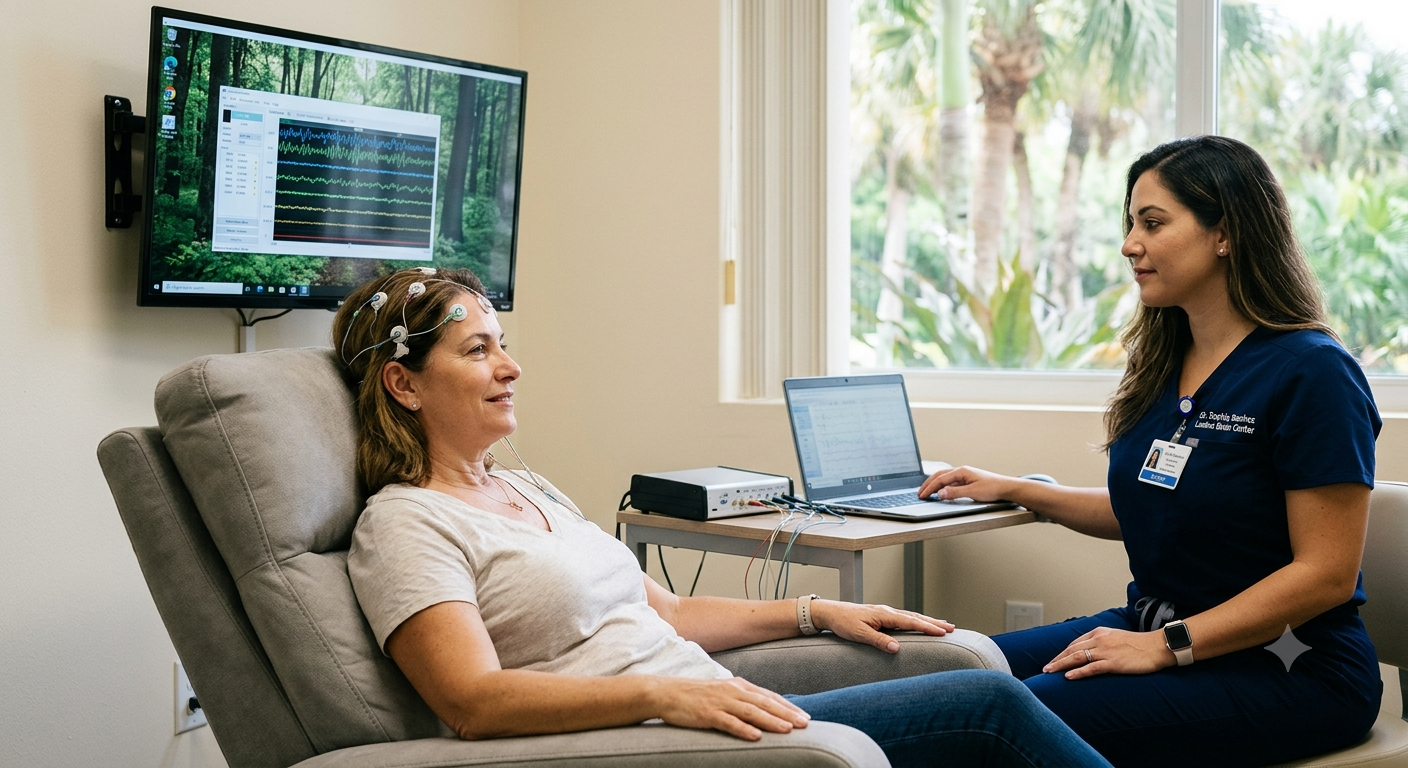
Neurofeedback is a non-invasive form of brain training that measures your brainwave activity in real time.
During a session, sensors are gently placed on your scalp to monitor electrical activity. The system provides immediate feedback through visual or auditory signals, allowing your brain to recognize and gradually adjust its own activity.
Unlike medication, neurofeedback does not force the brain to behave differently. Instead, it encourages the brain to learn healthier patterns naturally through repeated training sessions.
Many individuals choose neurofeedback for insomnia South Miami because it focuses on improving brain function rather than simply treating the symptoms of poor sleep.
How Neurofeedback Helps Treat Insomnia:
Sleep is closely connected to how efficiently the brain regulates its activity. When certain brainwave patterns become overactive or underactive, falling asleep and staying asleep can become much more difficult.
Neurofeedback training aims to improve this balance by helping the brain:
Reduce excessive mental activity before bedtime
Improve relaxation
Support healthier sleep cycles
Enhance emotional regulation
Reduce stress-related brain activity
Improve overall nervous system regulation
As brain function becomes more balanced, many individuals notice improvements not only in sleep but also in daytime energy, mood, focus, and cognitive performance.
Because every brain is unique, neurofeedback for insomnia South Miami is tailored to each person's specific needs, creating a personalized approach to improving sleep quality.
What to Expect During Treatment:
Your journey typically begins with an initial consultation and comprehensive assessment of your symptoms.
Depending on your provider's recommendations, treatment may include brain mapping (qEEG) to better understand your brain's activity patterns before beginning neurofeedback training.
Each neurofeedback session is comfortable and relaxing. While sensors monitor your brain activity, you'll watch a movie, listen to sounds, or interact with computer-based feedback. Your brain receives continuous feedback and gradually learns healthier brainwave patterns over time.
Because learning takes repetition, most people complete multiple sessions to achieve lasting improvements.
Benefits of Neurofeedback for Insomnia:
Individuals seeking neurofeedback for insomnia South Miami often appreciate that it is both safe and non-invasive.
Potential benefits include:
Improved ability to fall asleep
Fewer nighttime awakenings
Better sleep quality
Increased daytime energy
Reduced stress and anxiety
Improved concentration and memory
Better emotional regulation
Drug-free, non-invasive treatment
Personalized care based on individual brain function
Although results vary from person to person, many patients report gradual improvements as their brains develop healthier sleep patterns through consistent training.
Healthy Habits That Support Better Sleep:
While neurofeedback addresses brain function, healthy lifestyle habits can further improve sleep outcomes.
Consider incorporating these habits:
Maintain a consistent bedtime schedule.
Limit screen time before bed.
Reduce caffeine intake later in the day.
Exercise regularly.
Practice relaxation techniques before bedtime.
Create a cool, dark, and quiet sleep environment.
Avoid heavy meals close to bedtime.
Combining these habits with neurofeedback for insomnia South Miami may help maximize long-term improvements in sleep quality.
Is Neurofeedback Right for You?
If you've struggled with insomnia for months or even years and traditional treatments have not provided lasting relief, neurofeedback may be worth exploring.
Many adults experiencing stress-related insomnia, anxiety-related sleep problems, or chronic difficulty sleeping choose neurofeedback because it addresses the underlying patterns of brain activity associated with poor sleep.
A qualified provider can determine whether neurofeedback for insomnia South Miami is appropriate for your individual needs and develop a treatment plan tailored to your goals.
Final Thoughts:
Quality sleep is essential for physical health, emotional well-being, and cognitive performance. When insomnia becomes a chronic challenge, simply masking symptoms with medication may not be enough.
Neurofeedback for insomnia in South Miami offers a natural, personalized approach by helping the brain learn healthier activity patterns that support restorative sleep. Through consistent training and individualized care, many people experience meaningful improvements in both sleep quality and daily functioning.
If you're ready to explore a drug-free solution for chronic sleep problems, the experienced team at Lumina Brain Center can help you determine whether neurofeedback is the right path toward better sleep and improved overall brain health.