
What Is qEEG Brain Mapping? A Miami Parent's Guide Before Your First Neurofeedback Session
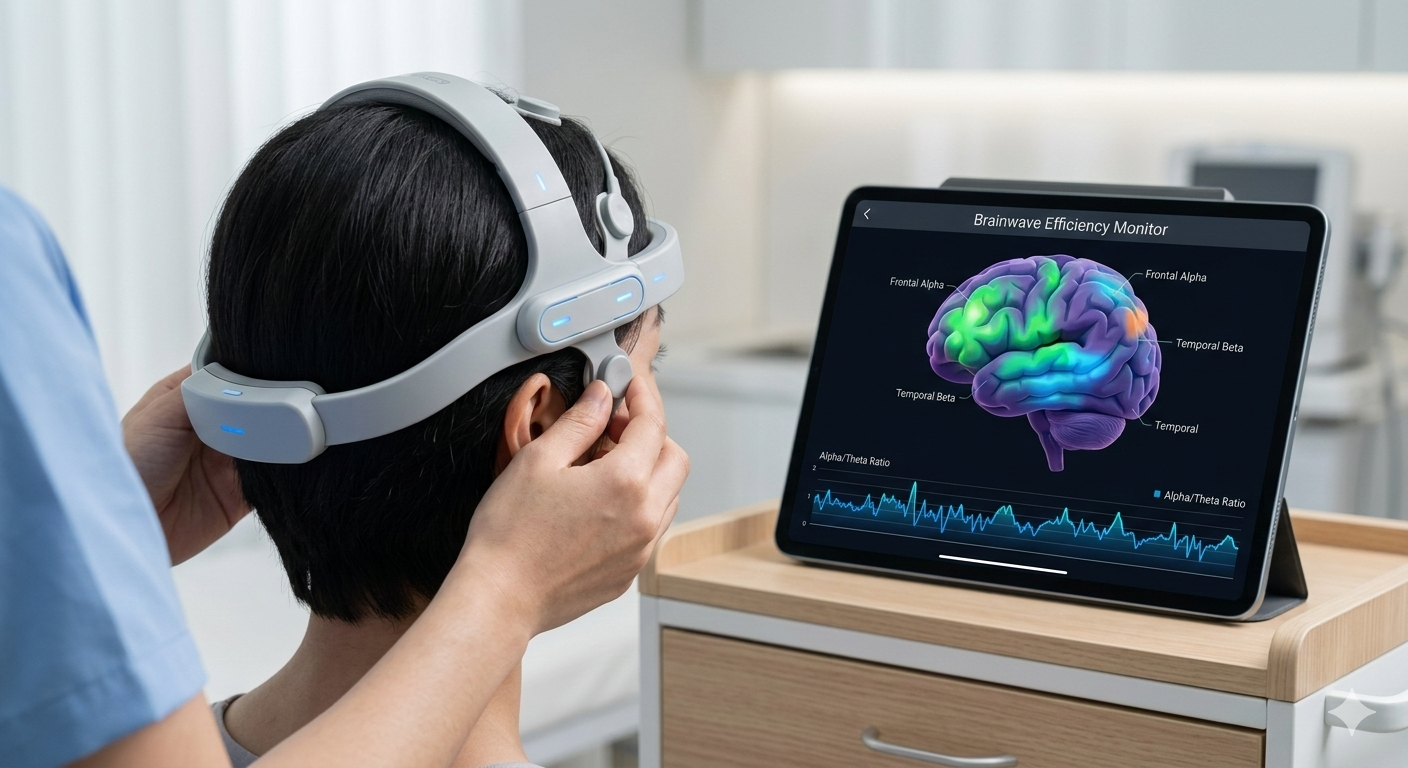
If your child is about to start neurofeedback therapy, chances are their treatment plan will begin with qEEG brain mapping. For many Miami parents, this is an unfamiliar first step, and it is natural to have questions before your child's appointment. This guide walks through exactly what qEEG brain mapping in Miami involves, why it matters, and what you can expect on the day of your session.
What Is qEEG Brain Mapping?
qEEG stands for quantitative electroencephalogram. In simple terms, it is a painless assessment that measures your child's brainwave activity and compares it against normal patterns for their age group.
Instead of guessing at what might help, qEEG brain mapping gives your child's care team an actual picture of how different areas of the brain are functioning, whether that shows up as attention difficulties, anxiety, sleep problems, or emotional dysregulation.
Think of qEEG brain mapping in Miami as the blueprint stage of neurofeedback therapy. Before any training begins, the brain map shows exactly which areas need support, so the sessions that follow are built around your child's actual brain activity rather than a generic protocol.
Why qEEG Brain Mapping Matters Before Neurofeedback:
Not every brain is out of balance in the same way, even when two children share the same diagnosis. This is why qEEG brain mapping providers in Miami rely so heavily on this assessment.
For example, two children with ADHD may have very different underlying brainwave patterns, and a treatment plan that works well for one may not be effective for the other.
By starting with qEEG brain mapping, a Miami neurofeedback provider can:
Identify the specific brainwave patterns connected to your child's challenges.
Build a personalised training plan instead of using a one-size-fits-all approach.
Track measurable changes in brain activity as sessions continue.
Avoid wasting time on training that does not match your child's actual needs.
For parents, this means greater confidence going into treatment. You are not simply hoping neurofeedback works—you have a data-backed starting point that shapes the entire plan.
What Happens During a qEEG Brain Mapping Session?
A qEEG brain mapping session in Miami is straightforward and non-invasive. Here's what you can expect:
1. Cap Placement:
Your child wears a soft cap fitted with small sensors. There are no needles, no discomfort, and no preparation beyond having clean, dry hair.
2. Brainwave Recording:
The sensors record electrical activity in the brain while your child sits calmly. They may be asked to keep their eyes open during some recordings and closed during others.
3. Data Analysis:
The recorded brainwave activity is compared against age-based normative databases to identify patterns associated with attention, anxiety, sleep, mood, and other cognitive functions.
4. Personalised Treatment Plan:
Once the qEEG brain mapping is complete, the results are used to design a neurofeedback programme tailored specifically to your child's brain.
The entire process is usually completed in a single visit, and there is no downtime afterwards. Your child can return to normal daily activities immediately.
What Miami Parents Should Know Before the First Visit:
If your child is preparing for qEEG brain mapping in Miami, a little preparation can help ensure accurate results.
Before the appointment:
Make sure your child's hair is clean and free of styling products, as these can interfere with the sensors.
Encourage a normal night's sleep before the assessment, since fatigue may affect brainwave activity.
Bring a list of any current concerns, medications, or recent behavioural changes so the care team has complete information.
Allow extra time for the appointment, as the initial brain mapping session takes longer than a standard neurofeedback visit.
Many parents are pleasantly surprised by how simple and comfortable the process is. There are no needles, no sedation, and nothing invasive involved.
How qEEG Brain Mapping Shapes Ongoing Neurofeedback Sessions:
Once qEEG brain mapping has been completed, the results become the foundation for every neurofeedback session that follows.
Rather than beginning treatment based on general assumptions about ADHD, anxiety, sleep issues, or emotional regulation, your child's provider works from an accurate picture of how their brain functions.
As treatment progresses, some providers repeat qEEG brain mapping to monitor measurable improvements and adjust the training plan as the brain develops healthier activity patterns.
This is what makes brain mapping such an important first step. It transforms neurofeedback from a general wellness approach into highly targeted, personalised brain training.
Final Thoughts:
Beginning neurofeedback therapy can feel overwhelming, especially when you are unfamiliar with qEEG brain mapping. However, this assessment plays a vital role in creating a treatment plan that is based on your child's unique brain activity rather than assumptions.
By understanding what to expect before your first appointment, you can feel more confident about the process and the personalised care your child will receive. qEEG brain mapping provides the foundation for targeted neurofeedback therapy, helping children develop healthier brain function and supporting long-term improvements in attention, emotional regulation, learning, and overall well-being.